



MAHA SE & Co. KG has won a major contract together with MAHA Ireland Ltd to modernise the vehicle testing system in Northern Ireland. A total of 79 new test lanes will be supplied, installed and maintained by MAHA for the Driver and Vehicle Agency (DVA). With a multi-million euro contract value, this project is one of the largest single orders in the company’s history.
Haldenwang, 31st March 2026. MAHA strengthens its international market position in the field of professional vehicle inspection by winning a major project in Northern Ireland. Alongside subsidiary MAHA Ireland, the company signed a contract to modernise the technical infrastructure of the country’s vehicle testing system.
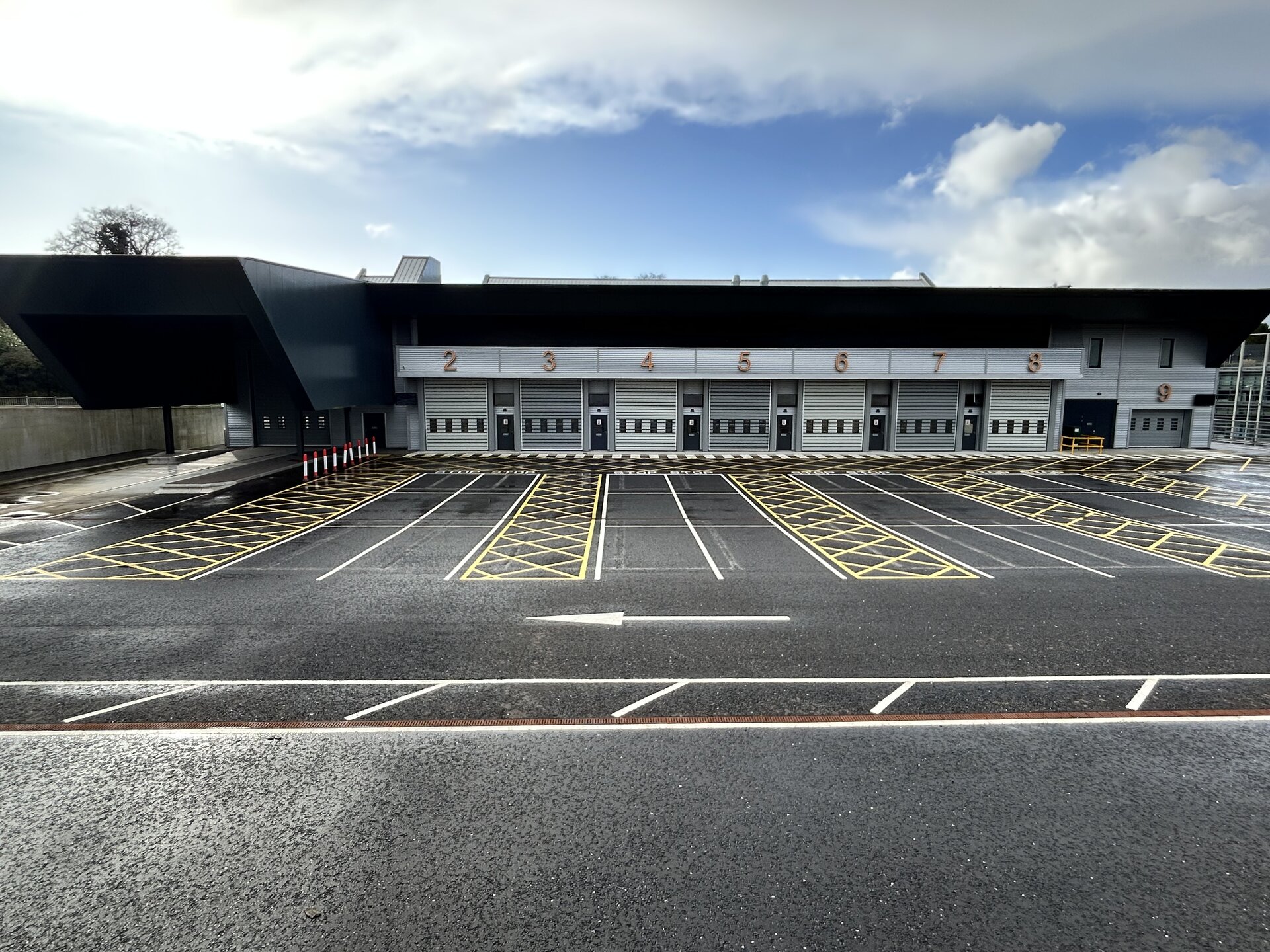
The project will involve work on 79 test lanes, as well as two new test centres and the modernisation of existing test centre network, including a 10-year maintenance and aftersales support programme. The letter of intent was drawn up on 4 December 2025 and the contract was awarded to MAHA Germany and MAHA Ireland in 11 March 2026.
Quality versus Cost
Northern Ireland and the Republic of Ireland have been among MAHA’s most important markets in the professional vehicle testing sector for decades, with each operating vehicle testing equipment and supporting hardware and software, based on technology developed and supplied from southern Germany’s Allgaeu region.
Following the early termination of a previous contract with a competitor company in April 2025, the DVA in Northern Ireland advertised a new tender under new procurement regulations that focused on quality over cost, which resulted in a successful outcome for MAHA once more.
A look at the current systems reveals why MAHA was the preferred supplier: the existing MAHA equipment in DVA was originally scheduled for replacement commencing in 2021. However, it has remained operational and reliable ever since, thanks to the equipment’s quality and on-going service and support by MAHA during this interim period.
Quality pays off
“Under Northern Ireland’s new procurement regulations, this project clearly shows that the purchase price is not the only decisive factor when it comes to safety-relevant inspection technology,” explains Dr Peter Geigle, Managing Director of the MAHA Group. “If systems don’t work reliably, significant knock-on costs mount up quickly. What counts in the end is technical quality and long-term operational reliability.” With this new project, MAHA will once again deploy its technology across Northern Ireland’s network of vehicle test centres and provide long-term support.
Testing technology for the professional vehicle inspection segment
Periodic vehicle inspections in the international PTI environment (Periodic Technical Inspection) sit at the pinnacle of the testing technology sector. While the classic workshop environment performs a few brake tests and function tests every day within the scope of the main inspection, state inspection systems abroad operate under entirely different conditions.
In Northern Ireland, for example, several test lanes run in parallel at each test centre, with approximately 20 minutes of time is allocated per vehicle, each test lane has three vehicle examiners with each test lane handling up to 100 vehicles per day. This equates to thousands of test cycles per week and a permanently high load for the entire inspection technology.
Such operating conditions place extreme demands on mechanical parts, sensors and control systems. In MAHA’s experience, these are application scenarios that could previously only be reliably mastered worldwide using appropriately designed high-performance inspection technology. Even under these challenging conditions – depending on maintenance and service – MAHA systems remain in use for many years and often even decades.
Competitors have repeatedly tried to penetrate this demanding market. In many cases, however, the systems failed after a short time due to the high loads of daily operation.
This is precisely why national PTI programmes are regarded internationally as the benchmark for the performance of modern vehicle inspection technology.